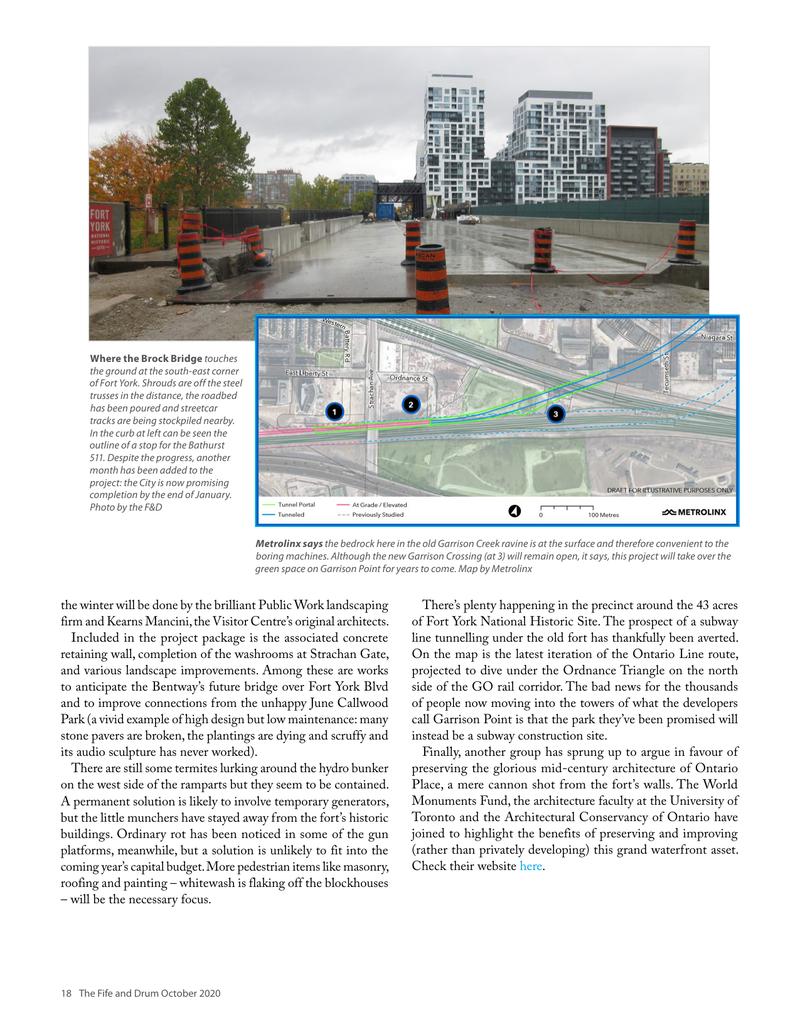
The winter will be done by the brilliant Public Work landscaping firm and Kearns Mancini, the Visitor Centre’s original architects. Included in the project package is the associated concrete retaining wall, completion of the washrooms at Strachan Gate, and various landscape improvements. Among these are works to anticipate the Bentway’s future bridge over Fort York Blvd and to improve connections from the unhappy June Callwood Park (a vivid example of high design but low maintenance: many stone pavers are broken, the plantings are dying and scruffy and its audio sculpture has never worked).
There are still some termites lurking around the hydro bunker on the west side of the ramparts but they seem to be contained. A permanent solution is likely to involve temporary generators, but the little munchers have stayed away from the fort’s historic buildings. Ordinary rot has been noticed in some of the gun platforms, meanwhile, but a solution is unlikely to fit into the coming year’s capital budget. More pedestrian items like masonry, roofing and painting – whitewash is flaking off the blockhouses – will be the necessary focus.
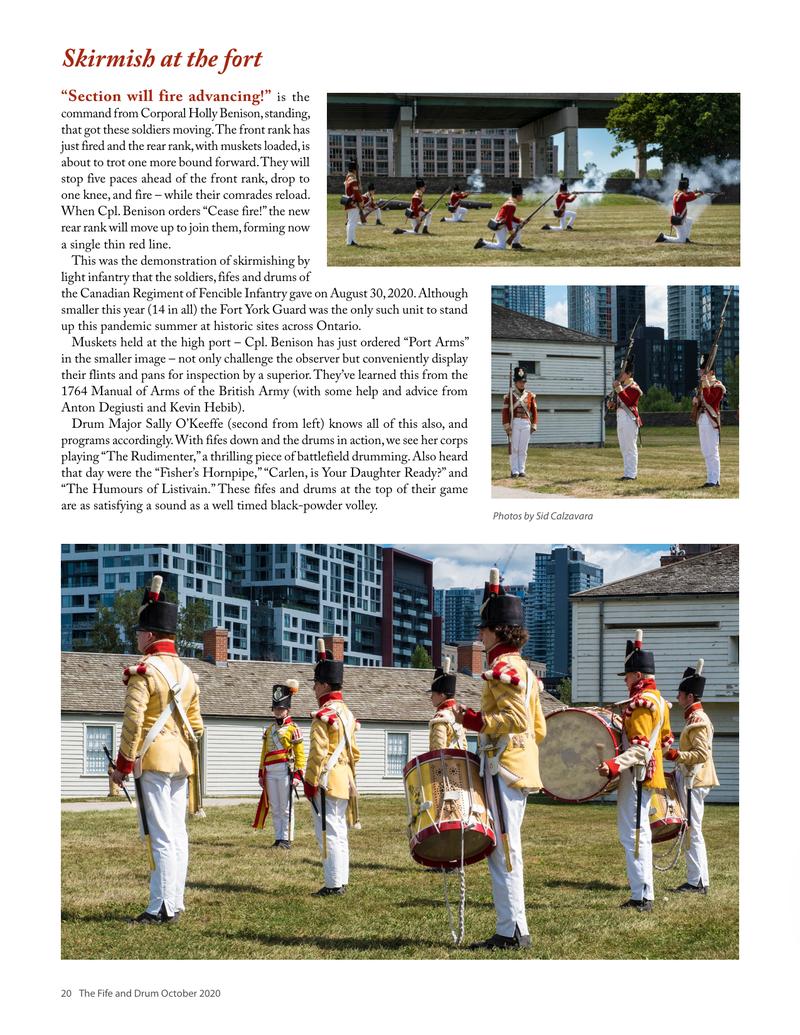
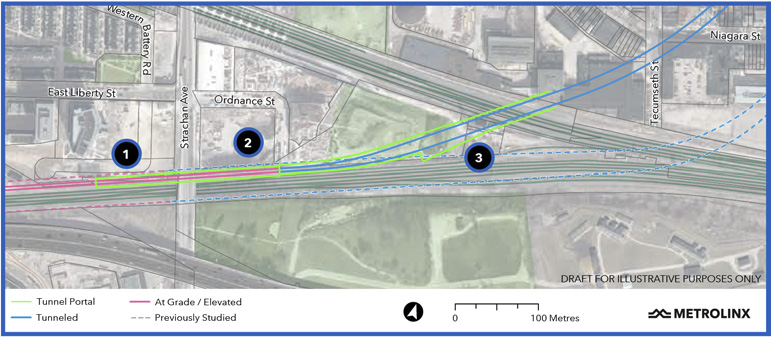
There’s plenty happening in the precinct around the 43 acres of Fort York National Historic Site. The prospect of a subway line tunnelling under the old fort has thankfully been averted. On the map is the latest iteration of the Ontario Line route, projected to dive under the Ordnance Triangle on the north side of the GO rail corridor. The bad news for the thousands of people now moving into the towers of what the developers call Garrison Point is that the park they’ve been promised will instead be a subway construction site.
Finally, another group has sprung up to argue in favour of preserving the glorious mid-century architecture of Ontario Place, a mere cannon shot from the fort’s walls. The World Monuments Fund, the architecture faculty at the University of Toronto and the Architectural Conservancy of Ontario have joined to highlight the benefits of preserving and improving (rather than privately developing) this grand waterfront asset. Check their website here.
Skirmish at the fort
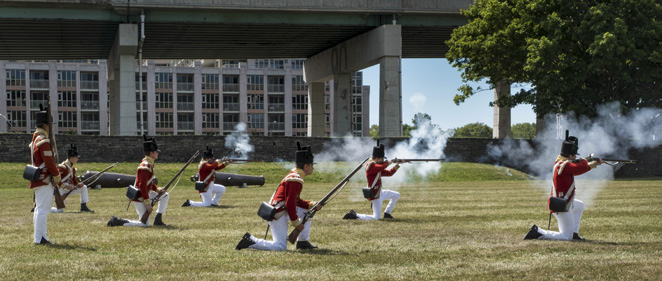
“Section will fire advancing!” is the command from Corporal Holly Benison, standing, that got these soldiers moving. The front rank has just fired and the rear rank, with muskets loaded, is about to trot one more bound forward. They will stop five paces ahead of the front rank, drop to one knee, and fire – while their comrades reload. When Cpl. Benison orders “Cease fire!” the new rear rank will move up to join them, forming now a single thin red line.
This was the demonstration of skirmishing by light infantry that the soldiers, fifes and drums of the Canadian Regiment of Fencible Infantry gave on August 30, 2020. Although smaller this year (14 in all) the Fort York Guard was the only such unit to stand up this pandemic summer at historic sites across Ontario.
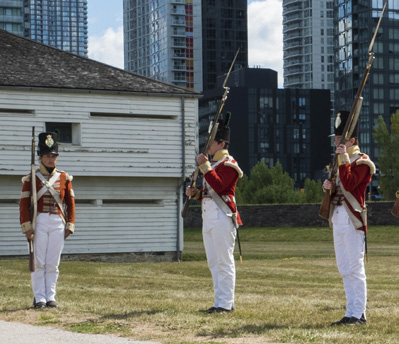
Muskets held at the high port – Cpl. Benison has just ordered “Port Arms” in the smaller image – not only challenge the observer but conveniently display their flints and pans for inspection by a superior. They’ve learned this from the 1764 Manual of Arms of the British Army (with some help and advice from Anton Degiusti and Kevin Hebib).
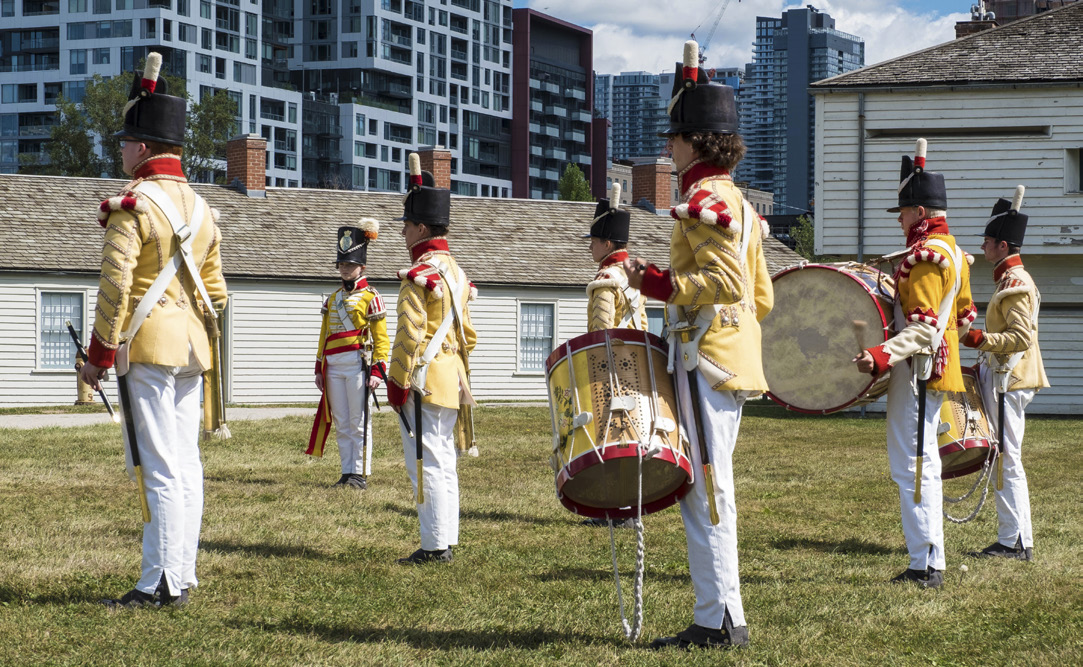
Drum Major Sally O’Keeffe (second from left) knows all of this also, and programs accordingly. With fifes down and the drums in action, we see her corps playing “The Rudimenter,” a thrilling piece of battlefield drumming. Also heard that day were the “Fisher’s Hornpipe,” “Carlen, is Your Daughter Ready?” and “The Humours of Listivain.” These fifes and drums at the top of their game are as satisfying a sound as a well timed black-powder volley.
Original printed pages