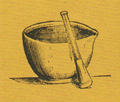
Here from the kitchens at Fort York is a perfect ice treat for the hot weather. It comes originally from Mistress Margaret Dods, The Cook and Housewife’s Manual, (Edinburgh: Oliver and Boyd; London: Simpkin and Marshall, 5th edition, 1833), pp. 348-349, but has been adapted to modern ingredients and measures:
1 L port 4 cups
2 ml nutmeg, grated 1/2 tsp
1 lemon, zested 1
500 ml syrup* 2 cups
*Dissolve 2 cups of sugar in 4 cups of water and stir over heat until the sugar is dissolved and the syrup is clear. Allow to cool. Mix port, nutmeg, lemon zest and syrup. Pour into a decorative mould or small cups (1.5 oz /45 ml). Freeze until firm. Serve as dessert, a palate cleanser or simply as a refreshment.
This ice recipe derives its name from a drink, Negus, created by Colonel Francis Negus, who was Commissioner for Executing the Office of Master of the Horse from 1717 to 1727, and then became Master of the Buckhounds. The ice includes the same ingredients as the drink except burgundy wine and brandy were added to the latter, which was heated and served warm.
Water ices and ice cream first arrived in Europe in the second half of the 17th century. They became popular in the 1760’s because Italian and French confectioners opened shops in London and other cities. There were many varieties available to choose from. These ices could be eaten in the shops or in larger quantities at home served with special meals or after a ball. In England it became popular to flavour ices with alcoholic liqueurs and to freeze punches.

In the late 18th and early 19th centuries ice was easily available in York. It was harvested from Lake Ontario and other small lakes and ponds and stored in ice houses. Elizabeth Simcoe, wife of Lieutenant Governor John Graves Simcoe, while in Montreal in 1792 remarked that “Ice houses are very general here but seldom for the purpose of furnishing Ice for a dessert. They use the Ice to cool Liquors & butter & the ice houses are used for Larders to keep meat.” At Fort York likely the officers used ice in a similar manner. In the 1820’s they requested their own ice house to be built with government funds, but their request was denied.
Original printed pages